
Older homes have a character and craftsmanship that many newer houses simply cannot replicate. Original hardwood floors, decorative trim, custom built-ins, and unique architectural details often make these properties desirable. However, those same homes may also conceal aging systems, outdated materials, and decades of wear that can complicate remodeling projects. Preparing thoroughly before construction begins is one of the best ways to protect both the home and the renovation budget.
Unlike cosmetic updates in newer properties, remodeling an older home often uncovers surprises once walls, ceilings, or floors are opened. Hidden moisture damage, outdated wiring, structural movement, and aging plumbing are just a few examples of issues that may require immediate attention. Homeowners who spend time evaluating the property beforehand are better equipped to make informed decisions and avoid unnecessary delays.
A well-planned remodeling project starts long before demolition. Careful inspections, realistic budgeting, experienced professionals, and thoughtful scheduling help ensure improvements are completed safely and efficiently. Taking these steps creates a smoother renovation process while preserving the home’s character and improving its comfort, performance, and long-term value.
Schedule Safety Evaluations Before Any Demolition
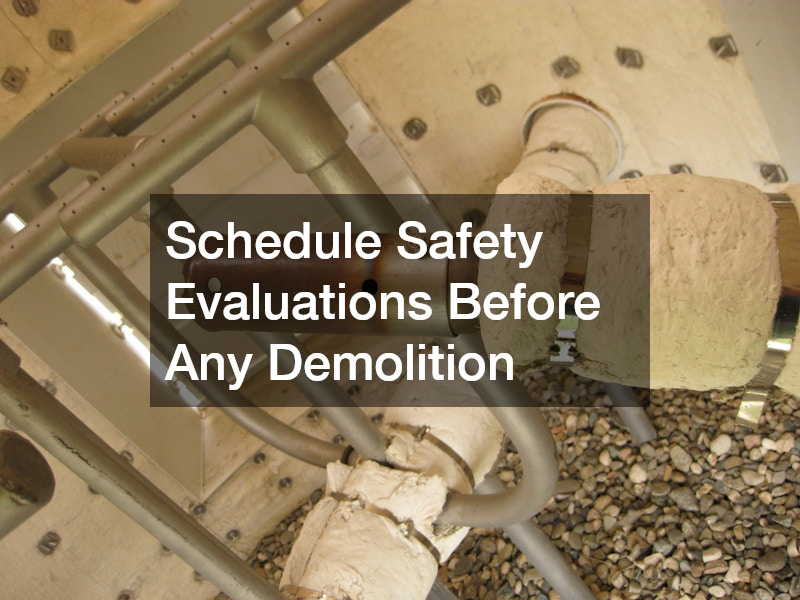
One of the most important first steps when remodeling an older home is identifying potential health and environmental hazards before construction begins. Homes built decades ago were often constructed with materials that are no longer considered safe, and years of moisture intrusion may have created conditions that are not immediately visible.
Professional mold assessments should be completed if there are signs of water damage, musty odors, previous leaks, or unexplained staining. Mold frequently develops behind walls, beneath flooring, inside crawl spaces, and around plumbing fixtures where moisture remains trapped. Simply covering damaged materials with new finishes rarely solves the underlying problem. Identifying moisture sources early allows homeowners to address both the cause and the contamination before investing in new materials.
Older homes also deserve careful attention when it comes to asbestos inspections. Many building products manufactured before the late twentieth century contained asbestos, including insulation, floor tiles, textured ceilings, roofing materials, and pipe coverings. These materials are often harmless when left undisturbed but can release dangerous fibers when cut, sanded, or demolished during remodeling.
Professional testing determines whether hazardous materials are present and outlines the safest course of action. If asbestos is found, certified abatement specialists can remove or encapsulate affected materials according to applicable regulations. This approach protects contractors, homeowners, and future occupants while preventing costly project interruptions.
Addressing environmental concerns before demolition also creates more accurate renovation estimates. Contractors can prepare realistic schedules, obtain appropriate permits if needed, and avoid unexpected work stoppages after construction has already begun. Investing in proper evaluations early often saves significant time and expense throughout the remainder of the remodeling project.
Build the Right Team Before Making Design Decisions
Many homeowners become excited about selecting finishes, cabinetry, and paint colors before determining who will actually complete the work. While design inspiration is important, assembling an experienced project team should come first.
An experienced general contractor helps coordinate every phase of a remodeling project. From scheduling subcontractors and obtaining permits to monitoring construction quality and communicating progress, this professional serves as the central point of contact throughout the renovation. Especially in older homes, experience managing unforeseen structural or mechanical issues can make an enormous difference.
When interviewing contractors, homeowners should request proof of licensing, insurance, references, and examples of similar renovation projects. Older homes often require specialized knowledge because existing framing, plumbing, electrical systems, and foundations may differ significantly from modern construction practices.
Many home remodelers specialize in historic properties or extensive renovations involving multiple trades. These professionals understand how to preserve original architectural details while integrating modern building materials and energy-efficient upgrades. Their familiarity with older construction techniques often leads to better solutions when unexpected conditions arise.
Clear communication is equally important. Before signing a contract, homeowners should discuss project timelines, payment schedules, change order procedures, material selections, cleanup expectations, and warranty coverage. Understanding these details helps prevent misunderstandings later.
A successful remodeling team also includes architects, designers, structural engineers, electricians, plumbers, and specialty contractors when necessary. Bringing everyone together early encourages collaboration and minimizes conflicts between different phases of construction.
Ultimately, selecting qualified professionals before making major design decisions creates a stronger foundation for the entire project. Experienced guidance often prevents expensive revisions and helps homeowners balance aesthetics, functionality, and budget more effectively.
Inspect Walls and Structural Surfaces Before Updating Finishes
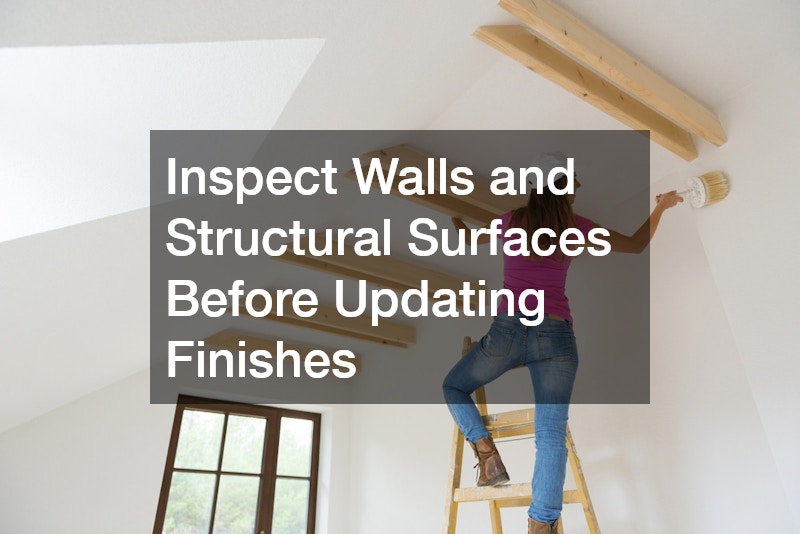
Beautiful finishes cannot compensate for hidden structural problems. Before installing new paint, trim, or decorative features, homeowners should thoroughly inspect the home’s walls and supporting systems to identify issues that require repair.
Visible cracks are often among the first warning signs. While small hairline cracks may result from normal settling, larger or widening cracks can indicate foundation movement or structural shifting. Doors and windows that no longer open properly may point to similar concerns. Consulting a structural professional when significant movement is suspected can prevent more extensive damage later.
The condition of existing drywall also deserves close evaluation. Water stains, bubbling paint, soft spots, nail pops, and recurring cracks may indicate hidden moisture damage or underlying structural movement. Rather than patching visible imperfections alone, homeowners should determine what caused the damage before repairs begin.
Opening selected wall sections during remodeling also provides valuable opportunities to inspect plumbing lines, electrical wiring, insulation, and framing members. Many older homes still contain outdated electrical systems that may not safely support modern appliances or increased energy demands. Plumbing pipes may have corrosion, reduced flow capacity, or hidden leaks that are easier to address while walls remain open.
Insulation should also be evaluated. Older homes frequently lack sufficient insulation compared to current energy standards. Improving insulation during remodeling enhances indoor comfort, reduces heating and cooling costs, and contributes to better moisture control throughout the home.
Addressing structural concerns before cosmetic improvements protects the investment in new finishes. Fresh paint, trim, and wall coverings last longer when applied over properly repaired surfaces rather than masking unresolved problems beneath.
Decide Whether Existing Floors Should Be Restored or Replaced

Flooring often serves as one of the home’s most noticeable design features, making careful planning essential during any remodeling project. Older homes may contain original hardwood flooring, vintage tile, or multiple layers of previous renovations hidden beneath carpets or laminate products.
The first step is evaluating the condition of existing materials. Solid hardwood flooring can often be restored even after decades of wear if enough material remains above the tongue-and-groove joints. Minor scratches, discoloration, and surface imperfections frequently disappear through professional floor refinishing, allowing homeowners to preserve original craftsmanship while dramatically improving appearance.
Refinishing also offers environmental benefits by extending the life of existing materials rather than sending usable flooring to landfills. Maintaining original hardwood can preserve the home’s historic character while increasing property value.
However, restoration is not always practical. Extensive water damage, severe warping, termite damage, missing boards, or structural instability may make replacement the better long-term solution. In these situations, complete flooring installation provides an opportunity to improve durability, accessibility, moisture resistance, and overall design consistency.
Before selecting replacement materials, homeowners should evaluate subfloor conditions carefully. Uneven subfloors, moisture problems, or structural deficiencies should be corrected before installing any finished flooring. Failing to address these issues can shorten the lifespan of new materials and create future maintenance concerns.
Scheduling also plays an important role. Flooring is generally installed after major plumbing, electrical, drywall, and painting work is complete but before final trim installation. Proper sequencing minimizes damage to finished surfaces and allows contractors to work more efficiently.
Whether restoring original hardwood or installing new materials, careful planning helps ensure the finished floors remain beautiful and functional for decades to come.
Improve the Exterior While Renovations Are Underway

Many remodeling projects focus primarily on interior living spaces, yet exterior improvements often deliver equally significant benefits. Addressing outdoor components during the same renovation can improve energy efficiency, weather protection, and curb appeal while reducing future disruption.
A thorough siding service evaluation should begin by examining visible signs of deterioration. Cracked panels, loose sections, peeling paint, moisture damage, insect activity, and deteriorating caulking may indicate that repairs or replacement are needed. Damaged siding allows water intrusion that can eventually affect framing, insulation, and interior finishes.
If replacement becomes necessary, homeowners can choose from a wide variety of materials including fiber cement, engineered wood, vinyl, composite products, and traditional wood siding. Each option offers different advantages regarding durability, maintenance requirements, insulation performance, and appearance.
Exterior improvements also present an ideal opportunity to install awnings over windows, patios, or entryways. Properly designed awnings provide shade during warmer months, helping reduce indoor temperatures and lowering cooling costs. They also protect windows, doors, and outdoor living spaces from direct sunlight and precipitation.
Modern awnings are available in numerous styles, colors, and materials that complement both historic and contemporary homes. Retractable systems offer additional flexibility by allowing homeowners to adjust shade levels throughout the year.
Coordinating multiple exterior improvements simultaneously often reduces labor costs because scaffolding, equipment, and contractor mobilization occur only once. It also allows flashing, trim, gutters, and drainage systems to work together more effectively, creating a stronger weather-resistant exterior envelope.
Thoughtful exterior planning enhances both appearance and long-term building performance while protecting the substantial investment made inside the home.
Replace Aging Doors for Better Security and Efficiency
Doors play a larger role in home performance than many homeowners realize. Beyond providing access, they contribute to energy efficiency, security, noise reduction, and overall curb appeal. Older doors frequently suffer from decades of wear that diminish both appearance and functionality.
Planning door replacements during a remodeling project allows homeowners to address multiple concerns simultaneously. Warped frames, deteriorated weatherstripping, damaged thresholds, broken hardware, and poor insulation often contribute to drafts and higher utility bills.
Modern exterior doors offer significantly improved insulation compared to older models. Better weather seals and insulated cores reduce heat transfer while creating more comfortable indoor environments throughout the year. Improved performance may also lessen strain on heating and cooling systems.
Security is another major advantage. New locking systems, reinforced frames, impact-resistant materials, and upgraded hardware provide stronger protection against forced entry. Homeowners can also integrate smart locks and electronic access controls during installation.
Interior doors deserve consideration as well. Replacing damaged or outdated interior doors creates a more cohesive appearance while improving privacy and sound control between rooms. Matching styles throughout the home helps establish consistent design aesthetics.
Proper measurements and professional installation are essential. Even high-quality doors perform poorly if frames are out of square or weatherproofing is incomplete. Careful installation ensures smooth operation, effective sealing, and long-lasting durability.
Selecting doors that complement the home’s architectural style helps preserve character while delivering meaningful improvements in comfort, security, and efficiency.
Create a Realistic Budget and Construction Timeline
One of the biggest mistakes homeowners make is underestimating both the cost and duration of remodeling an older home. While careful planning cannot eliminate every surprise, it significantly improves financial preparedness and scheduling accuracy.
Start by developing a comprehensive project budget that includes materials, labor, permits, inspections, equipment rentals, waste removal, temporary storage, and finishing details. Many homeowners focus only on visible upgrades while overlooking numerous supporting expenses that accumulate throughout construction.
Older homes deserve an especially generous contingency fund. Industry professionals often recommend reserving ten to twenty percent of the renovation budget for unforeseen conditions. Hidden plumbing leaks, structural repairs, electrical upgrades, pest damage, or deteriorated framing frequently emerge once demolition begins.
Scheduling should also account for permit approvals, material lead times, specialty product availability, weather delays for exterior work, and contractor scheduling. Custom cabinetry, specialty windows, imported tile, and certain fixtures may require weeks or even months to arrive.
Breaking the project into logical phases helps homeowners prioritize spending while maintaining flexibility. Safety repairs, structural work, roofing, electrical updates, plumbing improvements, and insulation should generally take precedence over cosmetic enhancements.
Homeowners should also consider how construction will affect daily life. Large remodeling projects may require temporary relocation, especially when kitchens, bathrooms, or essential utilities become unavailable. Planning for these disruptions reduces stress during construction.
Maintaining detailed records throughout the project also proves valuable. Contracts, invoices, permits, inspection reports, warranties, product information, and change orders should all be organized for future reference. These documents simplify future maintenance, insurance claims, and eventual resale.
A realistic budget paired with a carefully planned schedule provides greater confidence throughout the renovation while helping homeowners make informed decisions when unexpected situations arise.
Protecting Your Investment for Years to Come
Successfully remodeling an older home requires much more than selecting attractive finishes or following current design trends. The most rewarding projects begin with careful preparation, thoughtful planning, and a willingness to address underlying issues before focusing on cosmetic improvements. Taking the time to evaluate structural conditions, identify potential hazards, assemble experienced professionals, and establish realistic expectations creates a much stronger foundation for every phase of construction.
Once renovations are complete, homeowners should perform a thorough walkthrough to verify that all work meets expectations and complies with applicable building requirements. Collect warranties, maintenance instructions, inspection reports, and product documentation, then store them in an organized location for future reference. Scheduling routine maintenance and periodic inspections will also help preserve the improvements and reduce the likelihood of expensive repairs later.
Older homes often reward careful stewardship with exceptional beauty, lasting durability, and timeless character. By approaching remodeling with patience, preparation, and attention to detail, homeowners can modernize their living spaces while respecting the craftsmanship that has allowed these homes to stand for generations. The result is a more comfortable, efficient, and valuable home that is well prepared to serve future generations.