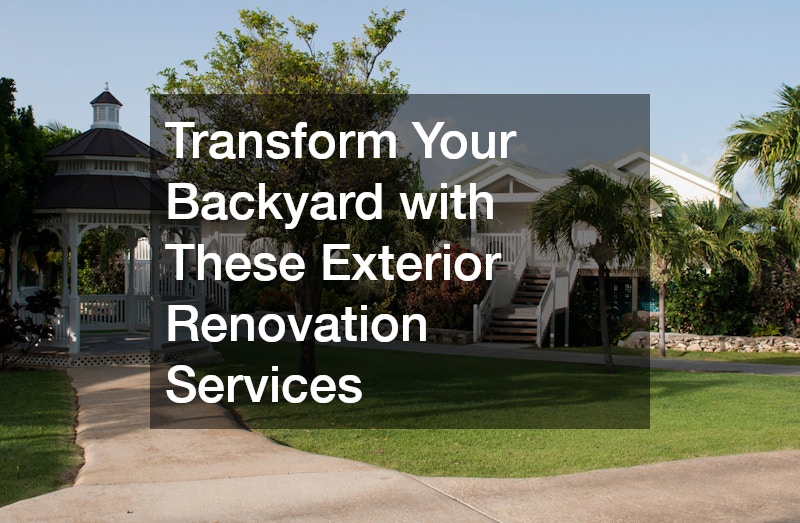
An overview of affordable home updates that can quickly increase your property’s value, tailored for homeowners looking to maximize their investment.
1. How does new siding enhance curb appeal?
1.1 Choosing the Right Siding Material
Siding installation is a pivotal step in improving the exterior look of your home. Selecting the right siding material significantly influences the aesthetics and durability of your property. Options such as vinyl, wood, and fiber cement each offer unique benefits and price points suitable for varying budgets.
Vinyl is a popular choice for many due to its affordability and low maintenance. However, wood siding provides a classic look that can be repainted to change styles over the years. Fiber cement combines the durability of cement with the appearance of wood, providing a balance of aesthetics and longevity. Stucco siding and other masonry is also popular, and the help of masonry contractors is vital.
A contemporary design may call for sleek, minimalist panels, while traditional styles could benefit from more textured options. The choice of material can also impact elements like insulation and soundproofing. It’s crucial to evaluate both the initial cost and the long-term maintenance requirements of your siding material.
1.2 Cost-Effective Siding Options
With many cost-effective siding options available, homeowners can enhance their curb appeal without exceeding budget limitations. Vinyl siding, known for its low cost and ease of installation, is a common choice among budget-conscious homeowners. Steel and aluminum also present practical choices due to their durability and resistance to the elements.
Composite sidings, which often mix wood fibers with artificial materials, provide a middle path between traditional wood and modern synthetic options. Understanding region-specific considerations, such as climate and weather patterns, can considerably narrow down the most suitable and cost-effective siding choices.
Each siding type also requires an understanding of color options that can best complement your home style and neighborhood. By considering siding installation investments wisely, homeowners can achieve impressive aesthetic enhancements and increased property value.
1.3 DIY vs Professional Siding Installation
One major decision in siding installation is whether to undertake the project yourself or hire professionals. DIY siding installation may save on labor costs, but it often requires a considerable time investment and careful adherence to building codes. Professional contractors bring expertise and efficiency, reducing the risks of errors and additional costs.
Many satisfied homeowners have experienced superior results when opting for a professional siding installation, ensuring that their financial investment lasts for years to come. Contractors are also equipped with the tools and safety equipment necessary to handle specific challenges. These professionals provide accountability and potential warranties that DIY installations typically do not offer.
The choice between DIY and professional installation should revolve around budget, time availability, and confidence in one’s carpentry skills. While a DIY job may sound tempting financially, the peace of mind and quality assurance from hiring specialists often prove more rewarding in boosting property value.
2. What role does excavating play in home improvement?

2.1 Preparing Your Property for New Foundation Work
Excavating contractors are integral to preparing your property for foundation work, a crucial step in home improvement. They are responsible for clearing the site and ensuring the ground is stable for construction. This involves removing debris, leveling the land, and addressing issues such as soil erosion.
The precision with which excavating contractors prepare a site can directly impact the durability and stability of new structures. Even small errors in excavation can lead to costly structural problems down the line. Thus, employing experienced excavating contractors can safeguard your investment from potential foundational issues.
The expertise of excavating contractors extends beyond foundational preparations to include managing land for utilities and drainage, optimizing your property’s capacity for future enhancements. Their work lays a reliable foundation not just for buildings, but for the value they add to your home’s marketability.
2.2 Landscape Grading for Better Drainage
Aside from foundational preparations, excavating contractors play a pivotal role in landscape grading, which enhances drainage and prevents water accumulation. Proper grading redirects water flow away from structures, protecting foundations from moisture-related damages. It is vital for safeguarding the integrity and longevity of your home.
Through strategic grading, contractors ensure that the outdoor terrain promotes efficient water movement, reducing risks of pooling water that can lead to unsightly landscapes and potentially hazardous conditions. Excelling in grading also prevents erosion, which can destabilize the ground over time.
The role of excavating contractors in grading is not merely functional but aesthetic, offering an opportunity to design a visually appealing landscape that complements architectural styles. Ensuring efficient drainage through skillful grading empowers homeowners to enhance their property’s value and curb appeal effectively.
2.3 Creating Space for Driveways and Patios
Excavating contractors also facilitate the creation of space for driveways and patios, adding functional and visual enhancements to your property. These features not only improve access but also provide practical and aesthetic value to residential landscapes. Proper site preparation guarantees that these structures are built on stable ground, minimizing repair costs in the future.
Driveways and patios require precise excavation to accommodate different materials such as concrete, asphalt, or pavers. By appropriately grading and leveling the area, contractors provide the necessary groundwork for durable outdoor spaces that boost property appeal and functionality.
The expertise of excavating contractors in creating these spaces can also optimize location and layout, maximizing usable space without compromising existing landscaping elements. Well-planned installations of driveways and patios can attract potential buyers, thus boosting marketability and property value.
3. Why should you hire a roofing contractor?
3.1 Benefits of Local Expertise and Quick Response
Hiring a local roofing contractor offers unique benefits, including localized expertise and quick response times to roofing concerns. Local contractors possess invaluable knowledge about regional climates and building regulations, guiding material and design choice tailored to withstand local conditions. Furthermore, their proximity leads to faster service for time-sensitive repairs and replacements.
This expertise allows them to advise on suitable materials ranging from asphalt shingles to newer options like solar shingles, as well as services like gutter repair. They also ensure efficient deployment of materials and manpower, keeping projects on track and within budget. Local roofing contractors often come with established community reputations, which can provide peace of mind regarding accountability and quality.
Additionally, employing local services supports the community economically, fostering a network of reliability and trust. Their familiarity with area-specific challenges allows them to offer customized solutions while providing flexible scheduling and competitive local rates. Engaging a local roofing contractor can effectively enhance rooftop stability, functioning, and appeal, contributing to overall property value.
3.2 Understanding Roofing Material Options
A comprehensive understanding of roofing material options is crucial when upgrading roofs for enhanced property value. Traditional options like asphalt shingles remain popular due to their affordability and versatility, suitable for various styles. Meanwhile, metal and tile roofs offer longevity and a distinctive look at a higher price margin.
Solar shingles represent a progressive alternative, merging renewable energy solutions with cutting-edge design. With solar shingles, homeowners can enjoy lower energy costs, increase environmental consciousness, and enhance market appeal through sustainable living initiatives.
The right choice of roofing materials should align with budget, aesthetic desires, and functional requirements. As each material provides unique benefits and drawbacks concerning durability, insulation, and maintenance, informed decisions are necessary to select the best fit for your specific needs.
3.3 Warranty and Maintenance Considerations
When investing in a roof upgrade, examination of warranty and maintenance considerations is essential. Warranty terms often reflect the expected lifespan and performance of roofing materials, providing future repairs and replacements coverage that shields against defects or failures.
An effective warranty can boost whole-building value by offering assurance on the investment longevity and reduced liability risk. Applications such as solar shingles usually carry specific, finite warranties, which require adherence to proper maintenance guidelines for continued validity and optimal function.
Maintenance plans should be tailored to material choice, covering inspections, cleaning, and potential repairs to prevent premature failures. An informed approach helps find maintenance solutions that balance cost and performance, facilitating a protected and monetarily rewarding property transformation.
4. Are solar panels and shingles a good investment for increasing property value?

4.1 Comparing Solar Shingles and Traditional Panels
For homeowners exploring renewable energy options, solar shingles present an aesthetic and efficient alternative to traditional solar panels. Unlike bulkier panels, these discreet shingles integrate seamlessly into rooftops, retaining structure aesthetics without sacrificing energy capture efficiency. However, they typically involve higher installation costs compared to panels.
The suitability largely depends on factors like roof style, budget, and energy requirements. Solar shingles keep a low visual profile while reflecting new-age energy solutions, maximizing appeal to eco-conscious buyers and driving demand in progressive real estate markets.
Both traditional panels and solar shingles reduce energy bills, but potential buyers might find discreet shingles more appealing. Carefully weighing the cost differences versus energy savings and curb appeal can illuminate the most effective sustainable investment tailored for individual scenarios.
4.2 Long-Term Savings and Energy Efficiency
Choosing solar shingles often reflects strategic thinking geared towards long-term savings and energy efficiency. They generate clean energy, significantly lowering electricity bills and offering an impressive return on investment over time. As utility rates rise steadily, these savings compound, increasing the financial attractiveness of properties equipped with solar innovations.
Energy-efficient installations can secure favorable appraisals, posing a unique advantage amidst buyers’ increased preference for sustainable home features. Adopting solar technology, like solar shingles, bolsters market value while promoting environmental stewardship.
Moreover, applicable incentives and tax credits might be available for owners opting for renewable installations, motivating such long-range commitments. Investing in solar shingles can establish your home as a forward-focused asset amidst shifting energy paradigms, resonating with like-minded market buyers.
4.3 Aesthetic and Market Appeal
The aesthetic appeal of solar shingles distinguishes them from traditional panels, subtly conveying a commitment to renewable energy without disrupting architectural integrity. Their sleek design can enhance the home’s form and function seamlessly, impacting buyers interested in aesthetics and sustainability. When polished curb appeal and eco-consciousness align, higher market value can be achieved.
Such upgrades prove attractive to potential buyers envisioning reduced future electricity costs aligned with ongoing energy trends. Environmental awareness now influences market tendencies, with solar installations potentially leading to quicker sales or higher price points.
Homes with solar shingles symbolize modernity, utilities cost-savings, and environmental consideration, often surpassing expectations in property searches. Investing in these cutting-edge technologies demonstrates a commitment to sustainability that aligns with growing market expectations for responsible property enhancements.
5. How does waterproofing boost home value?
5.1 Protecting Against Water Damage
Basement waterproofing transcends functionality by actively safeguarding against water damage, a concern that can compromise foundation integrity and property value. Unchecked leaks and dampness can lead to structural deterioration and mold growth, impacting health and necessitating costly repairs. Addressing these issues upfront with waterproofing solutions not only protects the basement but the overall structural viability.
Waterproofing techniques can range from sealant applications to sump pump installations, reflecting the home’s specific needs and vulnerabilities. By minimizing water ingress risks through strategic waterproofing, homeowners impute a sense of longevity and reliability, critical for sustaining property worth over time.
The assurance of a dry basement can often lead potential buyers to invest with confidence, assured in the structural resilience of their investment. Implementing durable basement protection not only benefits current living conditions but fortifies marketability through enhanced reliability.
5.2 Enhancing Usable Space
Basement waterproofing directly augments the usability of a home by transforming previously compromised spaces into functional areas. Whether converted to an additional living room, home office, or entertainment hub, a dry, healthy basement adds dimensions to home flexibility and functionality. Usable space enhancements become vital selling points, proliferating property appeal across wider usage expectations.
By converting basements into moisture-free environments, potential applications expand, promoting highly appealing living spaces that elevate residential satisfaction. Ensuring water-tight conditions lays a formidable foundation for versatile indoor applications free from structural and health concerns.
From adding square footage utility to enhancing home layouts, waterproofed basements strategically differentiate properties concerning lifestyle adaptability. Refining underutilized spaces not only amplifies current enjoyment but positions the home as a flexible living solution meeting diverse buyer desires.
5.3 Improving Structural Integrity
Maintaining structural integrity through effective basement waterproofing safeguards against the detrimental effects of water seepage and consequential damage. Foundations compromised by long-standing water problems inevitably necessitate expensive fixes and significantly hinder structural soundness. Pre-emptive waterproofing thus acts as a proactive measure ensuring foundational stability is preserved.
Contributing to long-term structural resilience, waterproofing enhances building durability and reduces renovation expenses, particularly when integrated in home improvement strategies early. Sound architecture not only mitigates future complications but enhances comprehensive property protection, ensuring longevity amidst dynamic environmental conditions.
By investing in structural preservation exemplified through thorough basement waterproofing, homeowners substantiate market value by profiling firm assurance on foundational soundness. This preventive approach results in increased offers, reduced buyers’ perceived risks, and elevated property assessments.
6. What do paving services offer for driveway enhancements?
6.1 Asphalt vs Concrete: Choosing the Right Surface
Paving companies provide indispensable services for driveway enhancements, offering material choices such as asphalt pavers and concrete. Asphalt proves popular for its cost-effectiveness and fast installation, presenting a smooth surface that is relatively easy to repair. Concrete, while more expensive and labor-intensive, offers longevity and low maintenance benefits along with varied decorative options.
Deciding between asphalt and concrete drives involves assessing short-term budget constraints versus long-term durability preferences. While asphalt accommodates design and color versatility through sealant coatings, concrete offers robust structural integrity across varied climate settings.
Understanding climate impacts, traffic pressures, and maintenance peculiarities aids in tailored material choices optimized for specific site conditions. Consequently, identifying the right surface material not only reflects aesthetic and functional preferences but strategically enriches long-term investment results.
6.2 Designing for Durability and Appeal
Paving companies excel in crafting durable and appealing driveway designs, ensuring functional and aesthetic enhancements to exterior landscapes. Well-crafted driveways prioritize material resilience against traffic wear, weather variations, and other demanding conditions. Balancing durability with appealing finishes like patterns or colored exteriors further enhances visual appeal and residential enchantment.
Through expert planning, contractors harmonize driveway placement, dimensions, and style with surrounding architectural elements, fostering seamlessly integrated environments. Skillful accentuating of features like pathways or entry points further intensifies driveway allure and execution.
An appealing driveway not only boosts the property’s initial impression but acts as a crucial factor in calculations of curb enhancement value. By designing tailored and distinctive exteriors, paving companies establish inviting and practical installations contributing to a long-standing property advantage.
6.3 Cost Analysis and Benefits
Understanding the cost analysis associated with driveway enhancements helps inform strategic investment decisions. Though upfront costs vary depending on materials, design, and contractor expertise, effective driveway improvements can yield substantial returns in property value. Thoughtful budgeting encompasses material acquisition, labor, and post-installation care to ensure optimal durability.
Engaging reputable paving companies mitigates financial risk by delivering skillful execution, resulting in quality constructions that stand the test of time. Meticulous planning aims to balance upfront expenditures with anticipated benefits ranging from increased market appeal to extended pavement longevity.
Qualitative driveway investments cultivate seamless accessibility, reliable functionality, and attention-grabbing aesthetics, collectively augmenting home aspects that align with prospective buyer expectations. These enhancements maintain sustained asset attractiveness, embodying tangible value incentives for prospective investments.
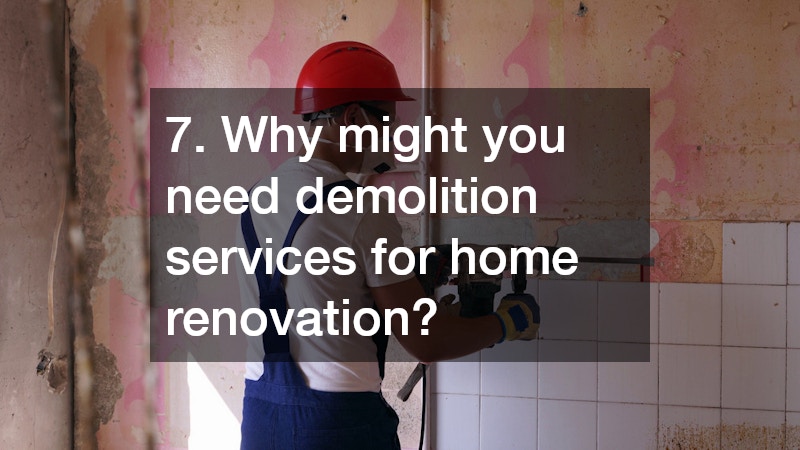
7. Why might you need demolition services for home renovation?
7.1 Safe Removal of Unwanted Structures
Demolition companies bring specialized expertise essential for the safe removal of unwanted structures during renovation projects. Whether dismantling interior partitions or clearing full properties, efficient demolitions facilitate progress by eliminating obstacles from redesign plans. Professionals ensure safety compliance, proper waste disposal, and avoidance of neighboring property damages.
Entrusting demolition responsibilities to industry experts allows for precision planning, encompassing safety assessments, hazardous materials management, and strategic implementation. Efficient execution reduces downtime and accelerates the transition timeline between deconstruction and the renovation phase.
By enabling clutter-free, cleared sites, demolition companies effectively open the door to limitless reimagining and repurposing opportunities. Such abilities streamline construction workflows, making demolition an indispensable step in comprehensive home renovation strategies aimed at maximizing property potential.
7.2 Preparing the Space for New Construction
Demolition serves as a pivotal preparatory stage within renovation processes, paving the way for new constructions or retrofits. Effective demolitions clear space for compliant foundational work, accommodating emerging design needs within project parameters. Quality-controlled site preparations prioritize topsoil preservation, minimizing landscape disruptions throughout operations.
Meticulous deconstruction permits strategic reuse of space, aligning it with modern layouts or impactful expansions accommodating revised living standards. Expertly managed demolitions preemptively detect and resolve underground condition issues, further stabilizing groundwork essential to prospective builds.
Partnering with proficient demolition companies mitigates risks associated with unplanned site variables. Carefully considered executions foster smoother continuities from dismantlement to realization, accelerating progress toward refreshed architectural expressions aligned with envisioned enhancements.
7.3 Environmental Considerations and Recycling
Environmental stewardship represents an essential element championed by demolition companies in executing projects. Environmental considerations incorporate energy-efficient practices, waste management, and material recycling, fostering sustainable disposal methodologies resonating with eco-friendly development visions.
Budget home updates can deliver meaningful improvements without requiring a major financial commitment. By focusing on high-impact areas and making thoughtful, cost-conscious choices, homeowners can quickly enhance both functionality and appeal. These strategic upgrades not only improve everyday living but also help strengthen overall property value in a relatively short time.